
Buying Leasehold Property In New Zealand
Sirpa Gunn • April 23, 2019
The Pro's and Con's of buying a leasehold property in New Zealand

What is leasehold land?
Leasehold is a form of property ownership whereby you own the buildings and any other improvements on the site, but you lease or rent the land from a land owner.
The Pro’s
Leasehold land is without a doubt cheaper than buying freehold. This is because you are not purchasing the land outright, only a right to us it for the period of the lease. In Auckland it is possible to purchase an affordable leasehold home in a trendy area like Parnell, the City Waterfront or One Tree Hill where freehold properties can sell for well over double the cost of a leasehold!
For some people buying leasehold works out cheaper than renting over the period of the lease with the added benefit of owning your own home. Others decide to buy leasehold as after doing the sums they find that paying a typical lease fee of 5% p.a. of the freehold value of the land to the landowner is less than paying 8% mortgage interest to the bank on a more expensive freehold property!.
The Cons:
You should be aware however that while the lease may be affordable at the time of purchase there are rent review periods where the ground rent is assessed in comparison to the current property market values. This means that if the freehold value has increased you run the risk of a sometimes substantial increase in ground rent. I remember a few years back some clients of mine were most distressed to learn that the lease fees for their city apartment were increasing by over $10,000 per annum!
Generally people buy real estate as an investment, as way to build wealth for themselves and their heirs. It is usually the value of the land which increases over time providing capital gains to the land owner. In a leasehold situation it is the owner of the land that benefits from this increase in value of the land over time where the tenant only has the right to live there and owns an ageing house that could be decreasing in value and needing expensive maintenance and repairs.
Leasehold land is more difficult to finance with banks requiring higher deposits than for freehold equivalents. It can also prove more difficult to sell a leasehold property, particularly if you are nearing the end of the lease or approaching a review period. And remember with a leasehold property all outgoings are still your responsibility (not the land owners). These include city and regional council rates, body corporate fees if it is a stratum title, insurance and maintenance.
Do your homework:
Each leasehold property needs to be assessed on its own merits as not all leases are the same. Many have a finite term of say 50 or 100 years. The value of the property is obviously affected by the remaining term of the lease whether it has 60 years left to run or 6 can make a big difference! Some leases give the tenant the option to purchase the land freehold on expiry of the lease with a formula included to calculate the sale price of the land at that time. Other leases while having a finite term also have a right of renewal which if exercised would mean the lease could continue in perpetuity. There are also often restrictions as to the land use included in the lease. Before entering into an agreement to purchase leasehold land it is essential to get legal advice and go through the lease documentation with your lawyer before deciding whether or not to proceed.
Contact the Conveyancing Shop Lawyers today on 0800 Solicitor for more information on buying leasehold
land.
News and articles

After more than 20 years of helping clients with property sales and purchases at Conveyancing Shop Lawyers, I have heard just about every possible settlement complaint. There are certainly some serious issues that can arise when buying a property, but interestingly, the complaints I hear most often are usually much more practical. They are the things that can turn what should be an exciting day into a frustrating one. The two that come up time and time again are the condition the house has been left in and the expectation that the keys will be available first thing on settlement day.
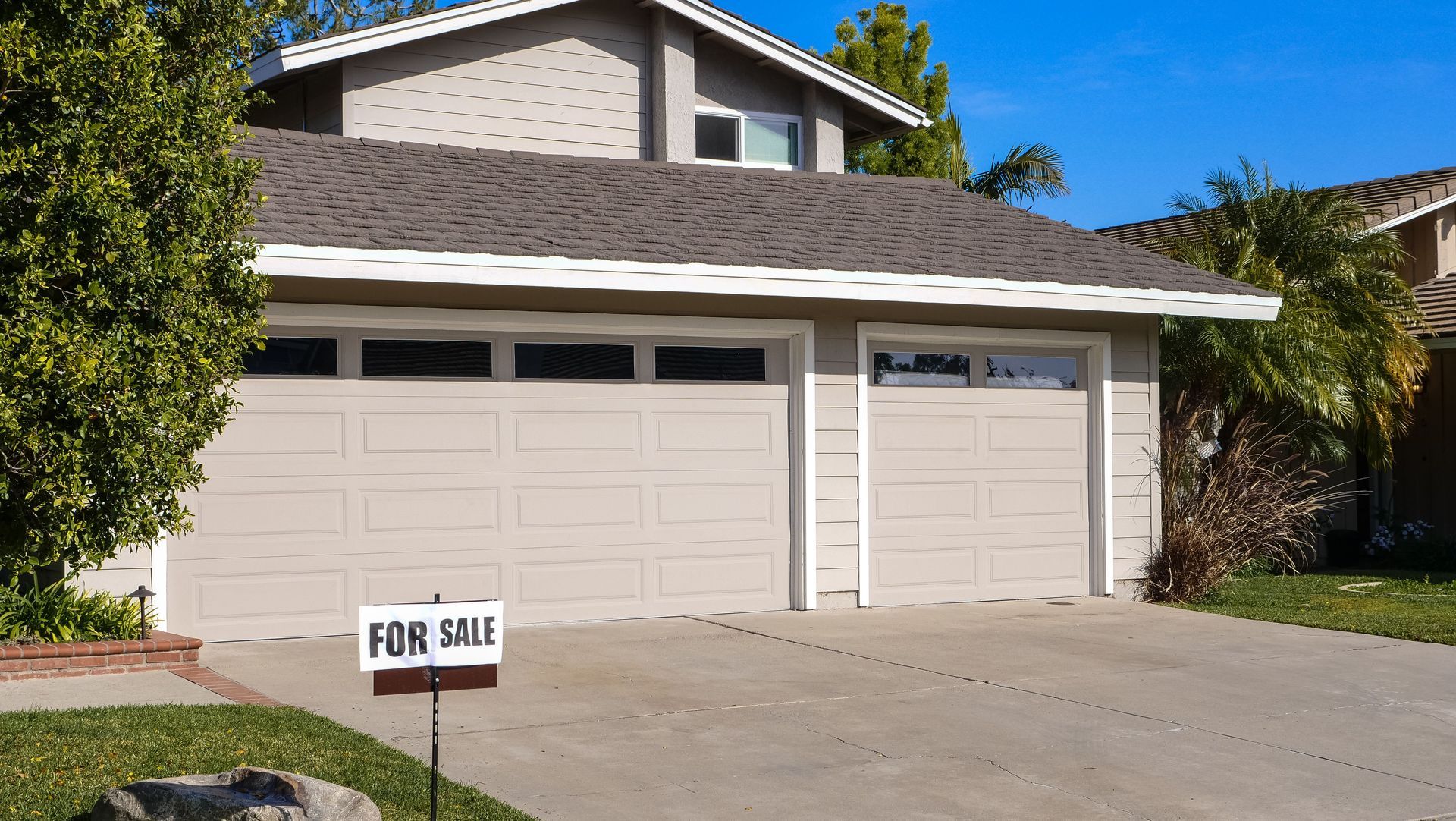
Selling your house in New Zealand? Find answers to common questions about sale and purchase agreements, deposits, tax, mortgages, settlement and why you should talk to your lawyer before signing.

He Thought He Didn’t Need a Lawyer... Meet Dave. Dave had finally found his dream home. Great location, decent price, sunny living room and, according to Dave, “loads of potential.” The real estate agent handed him the sale and purchase agreement. “You should get your lawyer to look over this before you sign,” she said. Dave smiled confidently. “Nah, it’s all pretty standard, isn’t it?” And with that, Dave signed. Fast forward a few days and Dave called his lawyer. “I’ve bought a house!” “That’s great,” said the lawyer. “Send me the agreement.” Dave did. There was a long pause. “Dave... have you actually read this?” “Not exactly. But it’s a house. How complicated can it be?” As it turned out, quite complicated. Problem #1: The settlement date Dave had assumed settlement would be whenever he was ready to move in. Unfortunately, the contract had a specific settlement date. And it was considerably sooner than Dave had expected. His bank wasn't quite ready. His moving company wasn't booked. And his current rental agreement had a few more weeks to run. Suddenly Dave was juggling two sets of keys and wondering whether he could make afford the rent and the mortgage. Problem #2: The conditions Dave had signed an unconditional agreement. He had intended to get a building inspection, but thought he'd "sort that out afterwards." The building inspector found a few things that Dave would have preferred to know about before signing. Nothing quite says "dream home" like discovering a roof leak after you've legally committed to buying it. Problem #3: The title The property title contained an easement. Dave had no idea what an easement was. His lawyer explained that part of the property was subject to rights allowing someone else to use the land for a particular purpose. “Is that bad?” “Not necessarily.” “Is it something I would have liked to know about before signing?” “Yes.” “Right.” Problem #4: The chattels Dave thought the outdoor spa was included. The vendor thought the outdoor spa was very much not included. Unfortunately, Dave's assumption wasn't written into the agreement. There was now a spirited discussion about whether a spa could be considered a "fixture", followed by Dave Googling the price of second-hand spas. Problem #5: The LIM and council information Dave had seen the beautiful renovated kitchen and assumed everything was above board. His lawyer suggested checking the council information. There were alterations to the property that needed further investigation. Dave suddenly wished he had spent a little less time imagining where the sofa would go and a little more time checking what had actually been consented. The moral of Dave's story? Dave's biggest mistake wasn't buying the house. It was signing the contract before getting legal advice . His lawyer could have helped him understand the agreement, identify potential issues and make sure appropriate conditions were included before he became legally committed. Fortunately, Dave's lawyer was able to help him work through the issues that arose. But Dave learned an important lesson. A lawyer is much more useful before you sign than after you have signed. Buying a house is exciting. It is also one of the biggest financial commitments most people will ever make. So before you fall in love with the house, the kitchen, the view or the spa... Get your lawyer to check the contract first. Your future self may thank you. This is a humorous fictional story written by Sirpa Gunn to illustrate the importance of seeking independent legal advice before signing a property sale and purchase agreement. While the situations are fictional, the message is serious: always talk to your lawyer and get advice before you sign an agreement for Sale and Purchase.

Thada Chapman explains why it is important to regularly review your trust affairs.